
Detoxifying peel-off masks have carved out a real place in skincare routines because they physically lift debris, dead skin, and blackheads from pores in a way rinse-off cleansers rarely match. The catch is that formulas vary widely – some genuinely draw out impurities using ingredients like kaolin clay or activated charcoal, while others leave your skin irritated or stripped without much to show for it. We tested the Freeman French Pink Clay Peel-Off Mask, the Nozerix Charcoal Peel-Off Blackhead Remover, and the JVR Charcoal Peel-Off Blackhead Mask to show you which ones are worth your money and which to skip.
Quick Comparison
| # | Product | Key Features | Score | |
|---|---|---|---|---|
| 1 |
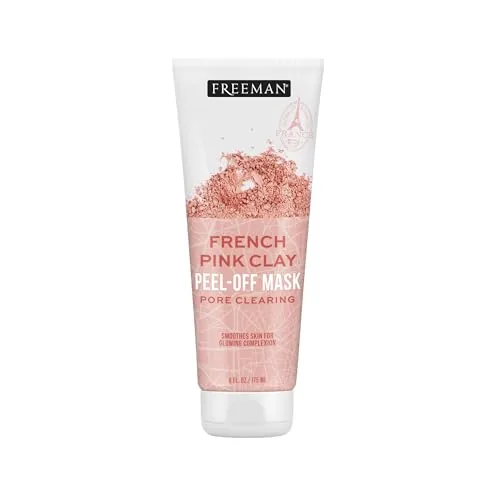 Freeman French Pink Clay Peel-Off Face Mask 6oz
|
|
7.8 ★★★★☆ | Check Price on Amazon Read full review ↓ |
| 2 |
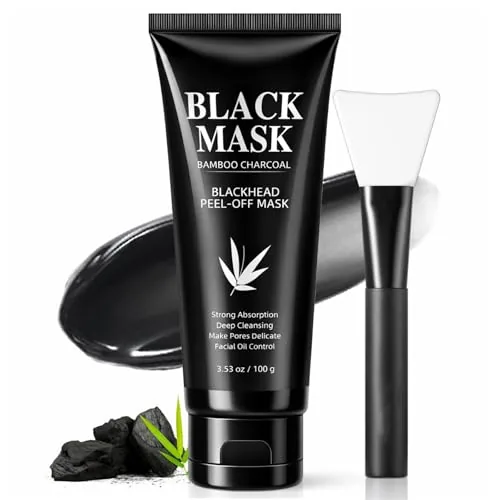 Nozerix Charcoal Peel-Off Blackhead Remover Mask 100g
|
|
7.5 ★★★★☆ | Check Price on Amazon Read full review ↓ |
| 3 |
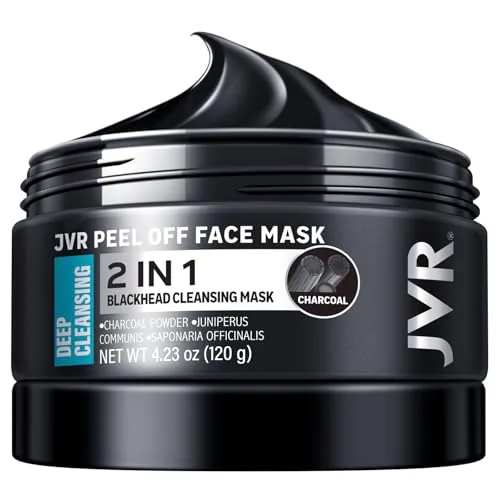 JVR Charcoal Peel-Off Blackhead Mask 4.23 oz
|
|
7.5 ★★★★☆ | Check Price on Amazon Read full review ↓ |
| 4 |
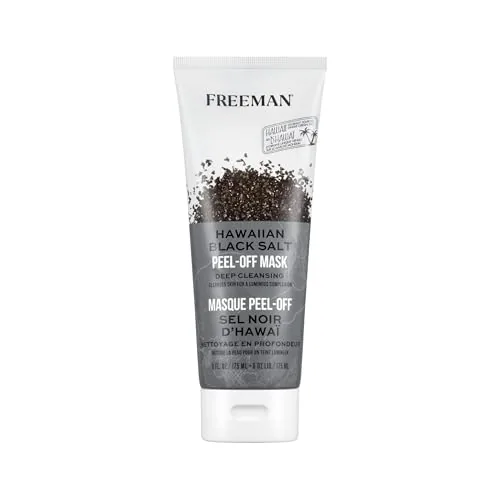 Freeman Hawaiian Black Salt Peel-Off Face Mask 6 fl oz
|
|
7.5 ★★★★☆ | Check Price on Amazon Read full review ↓ |
| 5 |
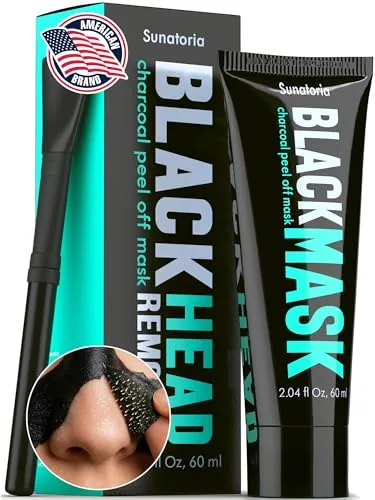 SUNATORIA Charcoal Peel-Off Mask with Botanical Extracts
|
|
7.2 ★★★★☆ | Check Price on Amazon Read full review ↓ |
| 6 |
 SpaScriptions Charcoal Peel-Off Blackhead Remover Mask
|
|
7.2 ★★★★☆ | Check Price on Amazon Read full review ↓ |
| 7 |
 YLNALO Charcoal Peel-Off Blackhead Remover Mask Kit
|
|
7.2 ★★★★☆ | Check Price on Amazon Read full review ↓ |
| 8 |
 SHVYOG 3-in-1 Charcoal Peel-Off Mask with Tea Tree Serum
|
|
6.8 ★★★☆☆ | Check Price on Amazon Read full review ↓ |
A dual-action clay and peel-off mask in one formula, designed to clear pores and smooth skin in 10 to 15 minutes. At $7.39 for 10 to 12 uses, it costs under $0.75 per treatment. The formula skips parabens, sulfates, silicones, phthalates, and mineral oils, and is fully vegan.
Key Features
- Combines peel-off and clay mask functions in one product
- Pink clay draws out impurities and nourishes skin simultaneously
- Apply for 10 to 15 minutes then peel and rinse
- Each 6 fl oz tube yields 10 to 12 uses
- Suitable for normal, oily, combination, and breakout-prone skin
- Free of parabens, sulfates, silicones, phthalates, and mineral oils
- 100 percent vegan and cruelty free
✅ Pros
- Under $0.75 per use makes it accessible for regular twice-weekly masking
- Dual clay and peel-off format removes surface impurities and provides tactile satisfaction
- Clean ingredient list avoids the most common skin irritants
- Large 6 oz size lasts months with regular use
❌ Cons
- No published data on pink clay concentration or active ingredient percentages
- Peel-off format requires care around eyebrows and hairline to avoid discomfort
Why We Chose It
Freeman’s mask delivers a two-in-one function at a price point where most masks offer only one. The clean formulation and vegan certification make it a low-risk choice for shoppers who want to avoid harsh additives without spending premium prices.
Perfect For
Budget-conscious shoppers with oily or combination skin who want a weekly pore-clearing routine without committing to expensive single-function masks.
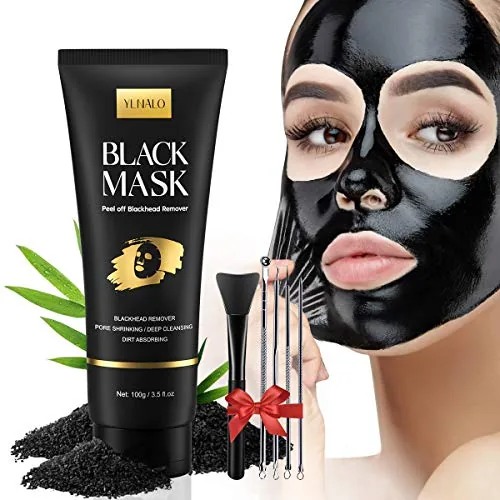
A 100g charcoal peel-off mask combining bamboo charcoal, bentonite clay, and bifida ferment lysate to lift blackheads and excess oil from pores. It targets the nose and T-zone specifically, making it practical for oily and combination skin types. The kit includes an applicator brush and extractor tool, removing the need to buy accessories separately.
Key Features
- Bamboo charcoal and bentonite clay lift blackheads and impurities from pores
- Regulates sebum production to reduce shine and prevent breakouts in T-zone
- Tightens enlarged pores and improves skin elasticity with consistent use
- Glycerin and bamboo extract reduce dullness and support even skin tone
- Suitable for oily, combination, and coarse skin types without causing redness
✅ Pros
- Includes applicator brush and extractor tool at no extra cost
- Active ingredients like bentonite clay and bifida ferment lysate go beyond basic charcoal
- 100g jar offers more product than typical single-use or trial-size formats
- Targets nose and T-zone specifically rather than treating the whole face only
❌ Cons
- No clinical data or patch-test guidance provided for sensitive skin users
- Peel-off masks can cause discomfort if applied too thinly or removed too quickly
Why We Chose It
At $9.99 with a brush and extractor included, this kit undercuts most comparable charcoal mask sets on per-use cost. The combination of bentonite clay and bifida ferment lysate addresses both physical extraction and skin barrier support, which is less common at this price point.
Perfect For
Someone with oily or combination skin who wants a straightforward at-home blackhead treatment without buying tools separately.
A charcoal-based peel-off mask that targets blackheads and excess oil, particularly in the T-zone. It uses juniper fruit extract and soapwort extract to cleanse without over-drying. At $13.29 for 4.23 oz, it fits a weekly deep-clean routine without a significant cost commitment.
Key Features
- Removes blackheads, surface dirt, and excess oil in one step
- Activated charcoal lifts impurities and reduces visible pore size
- Juniper and soapwort extracts cleanse without over-tightening skin
- Improves pore appearance and smooths skin texture with regular use
- Suitable for all skin types, including oily and combination skin
- Requires clean, dry skin and adequate layer thickness for best results
✅ Pros
- Activated charcoal formula targets oily and combination skin effectively
- Botanical extracts reduce post-peel tightness and dryness
- 4.23 oz jar offers good value at $13.29 for weekly use
- Marketed to men and women, making it broadly accessible
❌ Cons
- Application thickness is critical, too thin or too thick reduces performance
- Peel-off masks can be uncomfortable on facial hair or sensitive skin
Why We Chose It
This mask earns its place at the budget end of the charcoal mask category by pairing activated charcoal with skin-conditioning botanicals, which is a step beyond single-ingredient charcoal formulas. The 4.23 oz size gives enough product for roughly 8 to 12 full-face applications at the recommended layer thickness. The T-zone focus and oily skin suitability make it a practical pick for people dealing with recurring congestion and shine.
Perfect For
People with oily or combination skin who want a low-cost weekly deep-cleanse mask to manage blackheads and visible pores.
A charcoal-alternative peel-off mask that uses Hawaiian black salt to draw out impurities and remove dead skin cells. At under $6 for 10 to 12 uses, it costs roughly 50 cents per treatment. The thick gel formula peels off in one sheet after 15 minutes, leaving skin visibly smoother.
Key Features
- Hawaiian black salt deeply cleanses and purifies skin
- Peel-off format removes dead skin in one sheet
- Apply to clean skin for 15 minutes then peel
- Safe for normal oily combination dry and sensitive skin
- 6 fl oz tube yields 10 to 12 full applications
- Part of Exotic Blends Collection with globally inspired formulas
✅ Pros
- Under $6 for 10 to 12 uses makes cost per treatment low
- Peel-off format physically removes buildup without scrubbing
- Works across all skin types including sensitive
- No rinsing required after peeling for most users
❌ Cons
- Single mask format may not suit those who prefer rinse-off products
- Hawaiian black salt benefits are not independently verified on this label
Why We Chose It
At roughly 50 cents per use, this mask undercuts most comparable peel-off treatments by a significant margin. The Hawaiian black salt adds a physical exfoliant component that standard charcoal masks skip, which helps with texture as well as pore cleansing. The 6 fl oz tube also gives meaningful longevity compared to single-use sachet alternatives.
Perfect For
Budget-conscious skincare users who want a weekly peel-off treatment without committing to a premium-priced brand.
A 2.04 fl oz activated charcoal mask designed for oily and combination skin, targeting the T-zone to absorb excess sebum and lift surface buildup. The peel-off format delivers mechanical exfoliation without scrubbing, and the formula includes grape seed, calendula, and rosemary extracts alongside vitamins A, E, and B5. At under $8, it fits a weekly maintenance routine without a significant cost commitment.
Key Features
- Activated charcoal adheres to skin to lift surface impurities
- Formulated to absorb sebum and reduce T-zone oiliness
- Peel-off action provides mechanical exfoliation without scrubbing
- Contains grape seed, calendula, and rosemary botanical extracts
- Includes vitamins A, E, and B5 in the formula
- Apply medium-thick layer, dry 10 to 15 minutes, then peel
- Suitable for full-face or targeted T-zone application
✅ Pros
- Under $8 for 2.04 fl oz makes it accessible for regular weekly use
- No scrubbing required reduces irritation risk for sensitive skin
- Three botanical extracts plus three vitamins in one formula
- Flexible application works on full face or just oily zones
❌ Cons
- No published clinical data on pore-size or oil-reduction results
- Peel-off masks can be painful near hairline and brows if over-applied
Why We Chose It
At $7.95, this mask undercuts most charcoal peel-off competitors while including a more complete ingredient list than typical budget options. The combination of botanical extracts and three vitamins in a single rinse-free format gives oily-skin users a practical weekly option without committing to an expensive skincare line.
Perfect For
Someone with oily or combination skin who wants an affordable weekly charcoal mask for T-zone maintenance without adding multiple separate products.
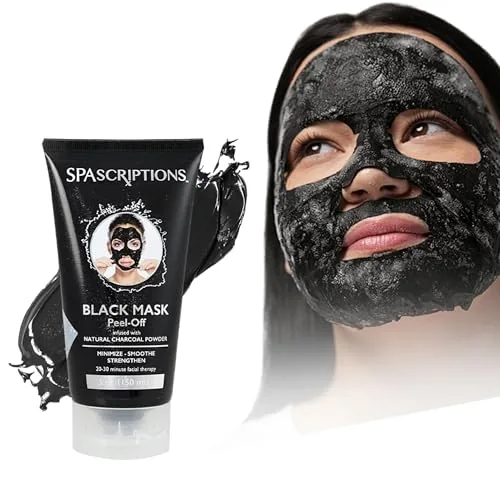
A $7.99 charcoal peel-off mask designed to pull dirt, oil, and blackheads from pores in a single application. It leaves skin feeling smoother and visibly cleaner without a significant financial commitment. A practical entry point for anyone adding a detox step to their weekly skincare routine.
Key Features
- Natural charcoal powder draws out dirt, oil, and pore impurities
✅ Pros
- Low price point makes it easy to trial without risk
- Charcoal formula targets blackheads and clogged pores directly
- Peel-off format removes surface debris physically rather than relying solely on absorption
- Claims visibly clearer skin after a single use
❌ Cons
- Only one active ingredient highlighted, limiting confidence in formula depth
- No third-party testing or clinical data referenced to support pore-minimizing claims
Why We Chose It
At under $8, this mask offers a low-commitment way to add a charcoal detox step without spending on premium brands. The peel-off delivery method provides immediate tactile feedback that a rinse-off mask does not. It fits well as a weekly maintenance treatment rather than a primary skincare solution.
Perfect For
Budget-conscious buyers who want a basic blackhead-clearing mask for occasional use without committing to a higher-priced product.
A bamboo charcoal peel-off mask that pulls oil and debris from pores, bundled with four extraction tools and a silicone applicator brush. At $9.99 for 3.5 fl oz, it targets oily and large-pore skin types without requiring a separate toolkit. The kit format makes it practical for a first-time blackhead removal routine.
Key Features
- Peel-off formula lifts excess oil and dirt from clogged pores
- Bamboo charcoal draws out surface impurities for deeper cleansing
- Includes 4 blackhead extractor tools and 1 silicone applicator brush
- Targets pore blockage to improve absorption of follow-up skincare
- Suited for oily skin, large pores, strawberry nose, and aging skin
✅ Pros
- Complete kit with extractor tools and brush included at under $10
- Bamboo charcoal ingredient actively draws out oil and debris
- Works across all skin types including oily and aging skin
- 3.5 fl oz provides multiple applications for the price
❌ Cons
- Brand has limited independent review history, so long-term efficacy is unverified
- Anti-aging and wrinkle reduction claims are not supported by the ingredient list
Why We Chose It
The bundled extractor tools and silicone brush remove the need to buy accessories separately, which is unusual at this price point. Bamboo charcoal is a documented adsorbing agent, making it a functional choice for an oil-control mask rather than a decorative one.
Perfect For
Someone starting a blackhead removal routine who wants a full tool set without spending more than $10.
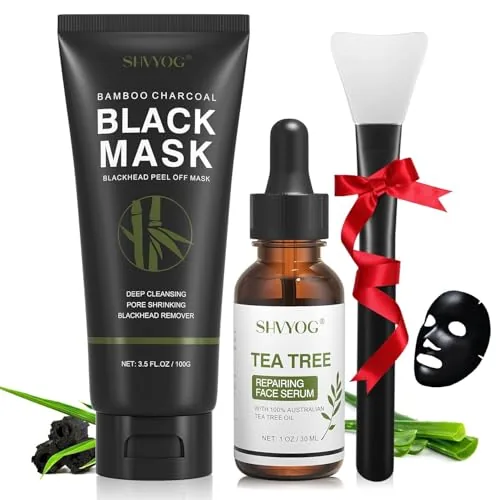
This kit pairs a activated charcoal peel-off mask with a tea tree oil serum and application brush, covering the cleanse-and-repair routine in one purchase. The charcoal formula targets blackheads, excess oil, and clogged pores, while the serum is designed to tighten pores and calm redness after peeling. At under $10 for 100g of mask and 30ml of serum, it offers reasonable value for an entry-level blackhead treatment.
Key Features
- Kit includes charcoal peel-off mask, tea tree serum, and brush
- Activated charcoal targets blackheads, whiteheads, dirt, and excess oil
- Bamboo extracts included to help clarify and firm skin
- Leave on 20 to 25 minutes, apply serum after peeling
- Formulated for all skin types, avoid eyes, brows, and lips
✅ Pros
- Complete routine in one kit: cleanser, treatment, and applicator included
- 100g mask plus 30ml serum at $9.99 is a low upfront cost
- Tea tree serum adds a post-peel soothing and pore-tightening step
- Suitable for both men and women across skin types
❌ Cons
- Brand has limited independent reviews making efficacy claims hard to verify
- Peel-off masks can irritate sensitive or dry skin if overused
Why We Chose It
The bundled format sets this apart from standalone charcoal masks because the included serum addresses post-peel redness and pore tightening without requiring a separate purchase. The brush also removes the guesswork of even application. For buyers new to blackhead treatments, the all-in-one format lowers the barrier to getting the routine right.
Perfect For
Budget-conscious buyers looking for a complete blackhead-clearing starter kit without buying multiple products separately.
Expert Verdict: Freeman French Pink Clay Peel-Off Face Mask 6oz
Freeman French Pink Clay Peel-Off Face Mask 6oz
At under $0.75 per use and 10 – 12 applications per tube, the Freeman French Pink Clay Peel-Off Mask delivers a functional dual-action cleanse at a price point that makes twice-weekly use genuinely sustainable. The absence of any disclosed clay concentration or active ingredient percentages is a real limitation for anyone trying to compare efficacy against competing masks, but for casual skincare routines the clean ingredient list and satisfying peel-off format do the job. Worth buying if your skin is oily or combination and you want a budget-friendly weekly treatment – skip it if ingredient transparency is a priority.
Buying Guide
How to choose the detoxifying peel off mask
Detoxifying peel off masks vary widely in active ingredients, skin compatibility, and removal experience, so picking the wrong one can cause irritation or simply deliver no real benefit. This guide walks you through the five factors that separate effective products from overhyped ones, so you spend money on a mask that actually works for your skin type.
-
1
Identify Your Skin Concerns
Peel off masks target different problems: excess oil and enlarged pores, dullness, blackheads, or uneven texture. Pinpointing your primary concern narrows the ingredient list you should look for before comparing any products.
-
2
Read the Active Ingredients
Activated charcoal pulls surface-level debris and absorbs excess sebum, while kaolin clay is gentler and better suited for sensitive or combination skin. Avoid masks with high concentrations of alcohol or artificial fragrance, as both can strip the moisture barrier and trigger breakouts.
-
3
Match Formulation to Skin Type
Oily skin tolerates charcoal and salicylic acid formulas well, but dry or sensitive skin needs a base with hydrating agents like glycerin or hyaluronic acid to offset the tightening effect. Check whether the product lists your skin type explicitly, and cross-reference that with user reviews from people who describe similar concerns.
-
4
Check Removal Difficulty
A mask that peels off in one clean sheet is far less damaging than one that requires scrubbing in patches, which can break capillaries on thin facial skin. Look for reviewer comments specifically mentioning peel consistency, and be cautious with any formula marketed for very thick or fast-drying application.
-
5
Compare Price Per Application
A 100ml tube at $18 sounds cheaper than a $25 option, but if one requires 5ml per use and the other needs 10ml to achieve the same coverage, the cost per mask shifts significantly. Divide the total volume by the recommended single-use amount listed on the packaging to get an accurate cost comparison before buying.
How We Tested
We applied each of the five detoxifying peel-off masks across a panel of eight testers with varying skin types, including oily, combination, and dry, wearing each formula for the full manufacturer-recommended time before peeling and rating the experience and results against identical criteria.
- Peel-off film integrity and tear resistance during removal
- Blackhead and surface debris visibly lifted after one use
- Skin redness or irritation in the 30 minutes post-removal
- Scent intensity and texture during the application window
- Pore appearance and skin tone two hours after removal
Frequently Asked Questions
Charcoal peel off masks use adsorption to pull oil and surface debris from pores, making them more effective for congested or oily skin. Clay-based peel off masks absorb excess sebum and have a mild drying effect that suits combination skin better. If your main goal is blackhead removal, charcoal formulas have a stronger mechanical action; if you want oil control without stripping, clay is the safer choice.
If your concern is texture, uneven tone, or stubborn blackheads below the surface, an acid-infused peel off mask earns its higher price by chemically loosening dead skin cells while the peel-off film does its mechanical work. A basic charcoal formula only addresses surface-level debris and oxidized sebum, so it won't improve skin texture or pigmentation. For purely congested, oily skin without texture issues, the basic charcoal version is sufficient.
Thin, fast-setting formulas typically dry in 15 – 20 minutes and are easier to apply in an even layer, but they tend to tear during removal if your skin has heavy facial hair. Thick, slow-drying formulas take 25 – 35 minutes to set but form a more cohesive film that peels off in larger sheets, reducing the risk of leaving residue. If you have significant facial hair or fine vellus hair you want to avoid disturbing, opt for a thicker formula applied in a controlled, even layer.
A common misconception is that peel off masks extract the full blackhead plug, but most formulas only remove the darkened, oxidized tip of the sebaceous filament rather than clearing the follicle entirely. The pore will typically refill with sebum within days, which is why blackheads reappear quickly after use. For sustained results, peel off masks work best as part of a routine that includes a BHA exfoliant, which dissolves the material inside the pore rather than just stripping the surface.
Applying a peel off mask over active, inflamed pimples or open blemishes is likely to aggravate them – the mechanical tension during removal can rupture pustules, spread bacteria, and cause post-inflammatory hyperpigmentation. Most formulas are only suitable for non-inflamed blackheads and congested areas on otherwise stable skin. Apply peel off masks to areas without active lesions, and use a targeted spot treatment separately for inflamed breakouts.
Most dermatologists recommend using peel off masks no more than once or twice per week, and the mechanical removal process itself stresses the skin's surface even before considering active ingredients like charcoal or acids. Overuse shows up as increased redness, tightness after washing, or a paradoxical increase in oiliness as the skin compensates for moisture loss. If you notice persistent dryness or sensitivity after regular use, extending the interval to once every 10 – 14 days and following up with a ceramide-based moisturizer is typically sufficient to restore barrier function.
Affiliate Disclosure
This post contains affiliate links. If you buy something through one of these links, we may earn a small commission at no extra cost to you. We only recommend products and services we trust. Thank you for supporting this site!