
Enzyme masks dissolve dead skin cells through a chemical reaction rather than physical scrubbing, making them a reliable option if you want smoother texture without the irritation that comes from gritty scrubs. They vary more than you’d expect in formula type, active ingredients, and intensity – a gel peel like the ma:nyo Galactomy sits in a different category from a leave-on mask like the DRMTLGY Pumpkin Enzyme, and the Versed Doctor’s Visit adds AHA and BHA acids to push results further. This guide breaks down how each one actually performs so you can match the right formula to your skin type and tolerance.
Quick Comparison
| # | Product | Key Features | Score | |
|---|---|---|---|---|
| 1 |
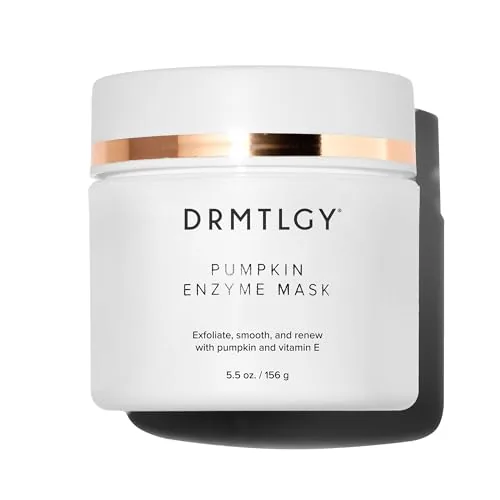 DRMTLGY Pumpkin Enzyme Face Mask Gentle Exfoliant
|
|
8.2 ★★★★☆ | Check Price on Amazon Read full review ↓ |
| 2 |
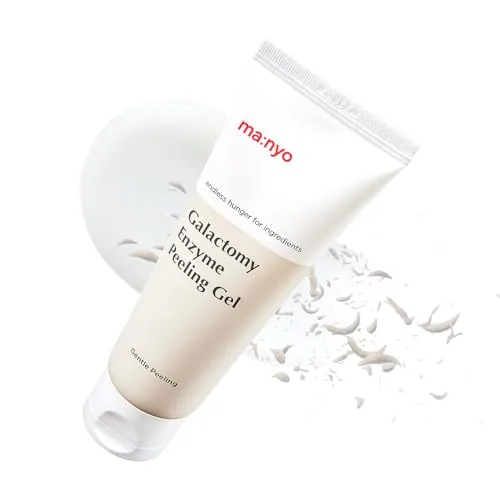 ma:nyo Galactomy Enzyme Peeling Gel 2.5 fl oz
|
|
8.2 ★★★★☆ | Check Price on Amazon Read full review ↓ |
| 3 |
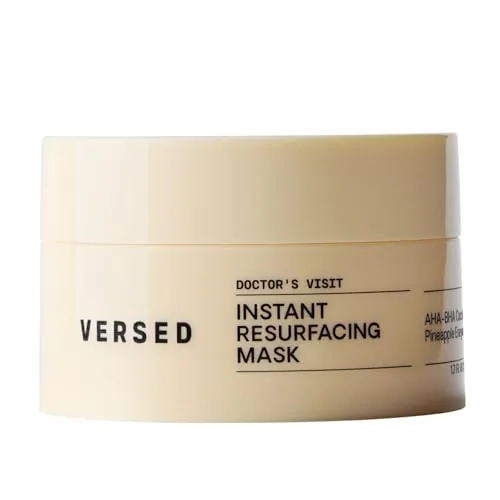 Versed Doctor's Visit AHA-BHA Resurfacing Mask 1.7oz
|
|
8.2 ★★★★☆ | Check Price on Amazon Read full review ↓ |
| 4 |
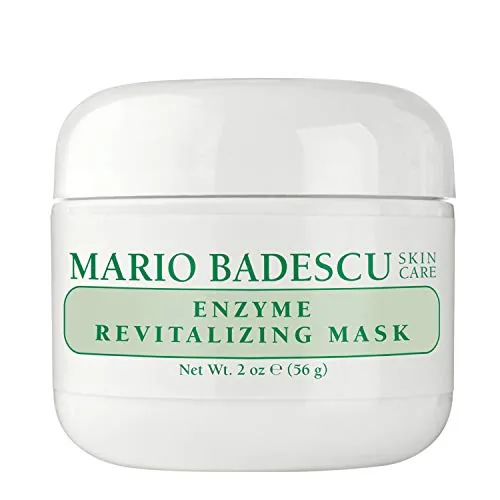 Mario Badescu Enzyme Revitalizing Mask for Dry Skin
|
|
8.2 ★★★★☆ | Check Price on Amazon Read full review ↓ |
| 5 |
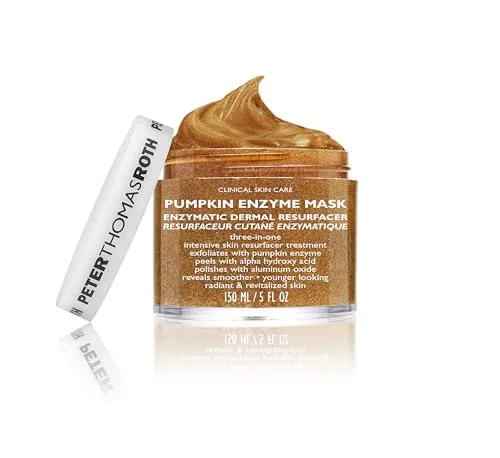 Peter Thomas Roth Pumpkin Enzyme Exfoliating Mask 5oz
|
|
7.8 ★★★★☆ | Check Price on Amazon Read full review ↓ |
| 6 |
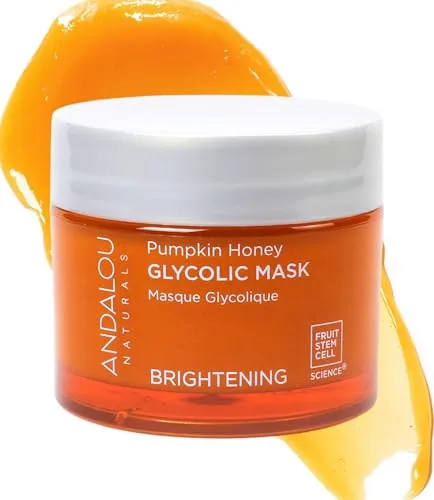 Andalou Naturals Pumpkin Honey Glycolic Mask 1.7oz
|
|
7.8 ★★★★☆ | Check Price on Amazon Read full review ↓ |
| 7 |
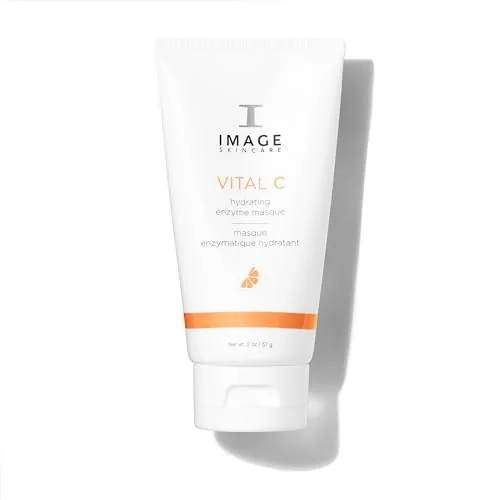 IMAGE Skincare VITAL C Hydrating Enzyme Masque 2oz
|
|
7.8 ★★★★☆ | Check Price on Amazon Read full review ↓ |
| 8 |
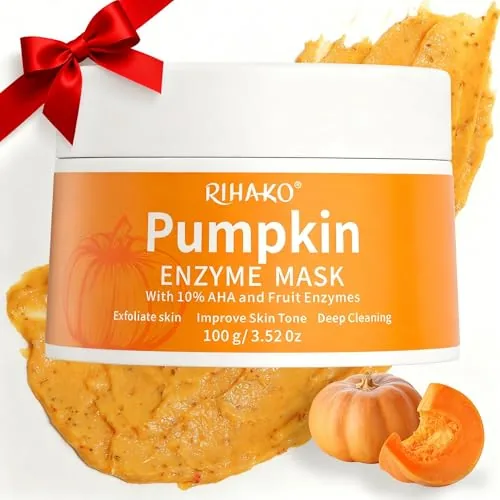 RIHAKO Pumpkin Enzyme AHA Brightening Exfoliating Face Mask
|
|
6.8 ★★★☆☆ | Check Price on Amazon Read full review ↓ |
A self-warming cream mask that combines enzymatic exfoliation with hydration in a single 10-15 minute application. Time-released jojoba beads and pumpkin enzymes work together to clear pores and smooth texture without the irritation of acid-based exfoliants. At $42, it targets users who want visible results without building a multi-step treatment routine.
Key Features
- Self-warming formula with 4-in-1 pore, hydration, and cleansing action
- Time-released jojoba balls deliver gradual exfoliation during wear
- Contains enzymes, minerals, and antioxidants for skin rejuvenation
- Formulated gentle enough for sensitive skin types
- Cream base compatible with anti-aging, brightening, and acne routines
- Pumpkin scent; intended to replicate a spa-quality facial at home
✅ Pros
- Enzyme-based exfoliation is less likely to cause redness or stinging than AHA or BHA alternatives
- Self-warming action opens pores before jojoba beads exfoliate, making the sequence logical and effective
- Works within existing skincare routines without requiring protocol changes
- Cream texture suits dry and combination skin types that struggle with gel or clay masks
❌ Cons
- At $42 the per-use cost is high compared to single-function enzyme masks
- Jojoba bead exfoliation may be too mild for users with significantly congested or thickened skin
Why We Chose It
The combination of enzymatic and physical exfoliation in one warming step reduces the number of products needed on treatment nights. The formulation prioritizes tolerability, making it one of the few exfoliating masks explicitly suited to sensitive skin without sacrificing active ingredients.
Perfect For
Someone with sensitive or dry skin who wants weekly exfoliation without the irritation risk of acid-based treatments.
A Korean-style enzyme peeling gel that physically and enzymatically loosens dead skin cells without acid-based irritation. Galactomyces enzymes derived from white rice work alongside hyaluronic acid to exfoliate and rehydrate in one step. At $14 for 2.5 fl oz, it targets congested pores and dull skin without a harsh recovery period.
Key Features
- Enzyme-based exfoliation removes dead cells without chemical acids
- Hyaluronic and amino acids restore moisture after exfoliation
- Breaks down blackhead impurities and clears clogged pores
- Galactomyces enzyme complex from white rice brightens and clarifies skin
- Apply to dry skin, massage in circles, rinse with lukewarm water
✅ Pros
- Acid-free formula suits sensitive skin that reacts to AHAs or BHAs
- Dual-action design exfoliates and hydrates in a single step
- Galactomyces brightening ingredient adds glow benefit beyond basic exfoliation
- Low price point makes consistent weekly use affordable
❌ Cons
- 2.5 fl oz bottle runs out quickly with frequent use
- Physical rolling action requires careful technique to avoid over-irritating skin
Why We Chose It
The galactomyces enzyme complex separates this from typical scrubs or acid peels by offering enzymatic exfoliation with a lower irritation ceiling. Pairing it with hyaluronic acid means skin is not left stripped or tight after use. The $14 price makes it an accessible entry point into enzyme-based Korean skincare.
Perfect For
Anyone with sensitive or congested skin looking for a weekly exfoliator that avoids acids and leaves skin hydrated rather than dry.
A 2-minute chemical exfoliant combining glycolic acid, lactic acid, and salicylic acid with pineapple and papaya enzymes to resurface skin and reduce pore appearance. At $14.99 for 1.7oz, it targets dullness, uneven texture, and post-blemish marks in a single weekly treatment. Results accumulate over multiple uses rather than delivering a one-time fix.
Key Features
- 2-minute mask with AHA, BHA, and fruit enzymes for exfoliation
- Glycolic and lactic acids brighten skin and fade blemish marks
- Salicylic acid reduces pore appearance and surface redness
- Pineapple and papaya enzymes remove dead skin cells and soften texture
- Apply to clean dry skin, rinse after 2-3 minutes, use weekly at night
- Formulated without ingredients that cause tingling or burning sensations
✅ Pros
- Triple-acid formula covers surface texture, pores, and discoloration in one product
- 2-3 minute application fits into routines without extended wait times
- $14.99 price point is low for a multi-acid exfoliant
- Cumulative results improve week over week rather than plateauing after first use
- No-tingle formulation suits users sensitive to stronger acid treatments
❌ Cons
- 1.7oz jar limits longevity for weekly users to roughly 8-10 applications
- Requires a 24-hour buffer from retinoids and other acids, adding scheduling constraints
Why We Chose It
The combination of two AHAs, one BHA, and enzyme exfoliants in a single mask addresses multiple skin concerns without requiring separate products. At under $15, it undercuts most comparable multi-acid masks by a significant margin while maintaining a clean ingredient profile. The short contact time and no-burn formulation make it accessible for users who have found stronger acid treatments too reactive.
Perfect For
Someone with dull or uneven skin tone who wants a low-cost, weekly exfoliant that works without irritation or complicated multi-step layering.
A papaya enzyme mask that combines gentle chemical exfoliation with deep hydration in a single 20-dollar treatment. Vitamin E and Red Algae Extract target moisture loss while the enzyme action smooths uneven texture over time. Formulated for combination, dry, and sensitive skin types, it sits at a price point that makes regular weekly use practical.
Key Features
- Papaya extract gently exfoliates dead cells to improve skin tone
- Vitamin E and Red Algae Extract lock in moisture for softer skin
- Smooths the look of dry fine lines and restores skin elasticity
- Brightens dull or dehydrated skin for a more even complexion
- Formulated for combination, dry, and sensitive skin types
✅ Pros
- Dual-action formula handles both exfoliation and hydration in one step
- Enzyme-based exfoliation is gentler than AHA or BHA acids for sensitive skin
- Red Algae Extract provides lasting moisture retention beyond the mask session
- At 20 dollars it fits easily into a regular weekly skincare routine
❌ Cons
- Enzyme exfoliation is mild, so visible texture improvement builds slowly over weeks
- No SPF, so follow-up sun protection is needed after use
Why We Chose It
The papaya enzyme and Vitamin E pairing addresses two common dry-skin complaints at once without the irritation risk that comes with acid exfoliants. The inclusion of Red Algae Extract gives it a practical hydration benefit that goes beyond a standard rinse-off mask. The price keeps it accessible for consistent use, which is where enzyme masks deliver their best results.
Perfect For
Anyone with dry or sensitive skin who wants gentler exfoliation than acids provide and needs hydration delivered at the same time.
A pumpkin enzyme-based resurfacing mask designed to smooth fine lines and even out skin tone through enzymatic exfoliation. At 5 fl oz, each jar delivers multiple full-face applications. The $60 price point reflects its positioning as a clinical-grade treatment rather than a drugstore option.
Key Features
- Enzymatic formula targets fine lines and wrinkle appearance
- Works to improve uneven skin tone and dullness
- Revitalizes skin surface through enzyme-based exfoliation
- Full-size 5 fl oz jar, not a tester unit
- Packaging design may vary between production batches
✅ Pros
- Enzyme-based exfoliation is gentler than physical scrubs, suitable for sensitive skin types
- 5 fl oz jar provides good volume relative to price for a treatment mask
- Addresses multiple concerns including dullness, tone, and fine lines in one product
- Peter Thomas Roth is a well-established clinical skincare brand with retail presence
❌ Cons
- $60 for a single mask jar is a significant spend with no starter or trial size option
- Packaging variation noted on listing, which may affect gifting appeal
Why We Chose It
This mask uses pumpkin enzymes as the active resurfacing mechanism, which breaks down dead skin cells without abrasive particles. That makes it a practical pick for people who want regular exfoliation without the irritation risk of gritty scrubs. The full 5 oz size gives it lasting value compared to deluxe sample formats common at this price tier.
Perfect For
Anyone with dull or uneven skin tone who wants a weekly enzyme exfoliant treatment from an established clinical skincare brand.
This glycolic acid mask targets dull skin with chemical exfoliation while sea buckthorn, moringa oil, and turmeric help reduce post-use irritation. The updated formula keeps the same acid concentration as the original but adds calming ingredients to soften the tingling sensation. At under $16 for a 1.7 oz jar, it sits at a reasonable price point for an exfoliating treatment with botanical buffers.
Key Features
- Same glycolic acid level as original formula with reduced tingle
- Soothing blend of sea buckthorn, moringa oil, and turmeric added
✅ Pros
- Glycolic acid concentration unchanged from the proven original formula
- Added botanicals reduce irritation without sacrificing exfoliation strength
- Accessible price point for a glycolic acid treatment mask
- Small 1.7 oz size is practical for travel or first-time buyers
❌ Cons
- 1.7 oz jar runs out quickly for weekly users, typically 8 to 10 applications
- Turmeric may temporarily stain lighter skin tones or fabric if not rinsed promptly
Why We Chose It
The reformulated version addresses the most common complaint about the original, which was excess tingling, without reducing the active glycolic acid level that made it effective. Adding sea buckthorn and moringa oil gives sensitive skin types a viable entry point into glycolic exfoliation. The price keeps the barrier to trial low.
Perfect For
Anyone with dull or uneven skin tone who wants chemical exfoliation but has found standard glycolic masks too harsh in the past.
This enzyme masque doubles as a deep cleanser and circulation booster, making it a practical addition to any skincare routine. At 2 oz it is compact enough for travel or trial sizing before committing to a larger purchase. The formula is designed for all skin types, which removes guesswork for households with mixed skin concerns.
Key Features
- Removes surface buildup as part of a daily cleansing routine
- Gently stimulates surface microcirculation with enzyme action
- Formulated to work across all skin types
✅ Pros
- Enzyme-based formula is gentler than physical exfoliants, reducing irritation risk
- Suitable for all skin types, including sensitive skin
- Dual-purpose design cleanses and boosts circulation in one step
- 2 oz size allows testing before buying a full-size product
❌ Cons
- At $23 per ounce the price is high relative to comparable enzyme masques
- Limited publicly available clinical data to verify microcirculation claims
Why We Chose It
The VITAL C Masque earns its place by combining enzymatic exfoliation with hydration in a single step, which cuts down on routine complexity. The all-skin-types positioning is backed by a gentle enzyme mechanism rather than abrasive particles, making it a lower-risk pick for reactive or sensitive skin. IMAGE Skincare is a professional-grade brand, which generally signals stricter formulation standards than drugstore alternatives.
Perfect For
Anyone who wants a gentle, spa-grade enzyme masque that works across multiple skin types without needing separate products for exfoliation and hydration.
A pumpkin enzyme mask at under $11 that targets dead skin buildup, dark spots, and enlarged pores using AHAs and fruit enzymes. It contains Vitamins A and C to help address hyperpigmentation and excess oil. Apply for 10 to 15 minutes once or twice weekly depending on your skin sensitivity.
Key Features
- AHAs and fruit enzymes exfoliate dead cells and tighten pores
- Vitamins A and C unclog pores and reduce hyperpigmentation
- Fruit enzymes and AHAs target dark spots and uneven skin tone
- Fatty acids, vitamins, and antioxidants hydrate and protect skin
- Apply to dry skin for 10 to 15 minutes, rinse with warm water
✅ Pros
- Low price point under $11 makes it low-risk to try
- AHA and enzyme combination addresses both texture and tone
- Simple twice-weekly application fits most skincare routines
- Vitamin C inclusion supports brightening alongside exfoliation
❌ Cons
- No ingredient list or concentration data available to verify AHA strength
- Brand has minimal market history, so long-term reliability is unproven
Why We Chose It
At $10.82, this mask covers multiple concerns including pores, dullness, and dark spots in a single product, which makes it practical for budget-conscious buyers. The combination of AHAs with Vitamins A and C addresses both surface exfoliation and deeper pigmentation. It suits casual skincare users who want a simple weekly treatment without a large upfront investment.
Perfect For
Budget shoppers who want a basic weekly exfoliating mask for mild dullness, uneven texture, or enlarged pores without committing to a premium brand.
Expert Verdict: DRMTLGY Pumpkin Enzyme Face Mask Gentle Exfoliant
DRMTLGY Pumpkin Enzyme Face Mask Gentle Exfoliant
At $42, this mask earns its price for sensitive-skin users who want enzyme exfoliation without the irritation risk of AHAs or BHAs – the self-warming mechanism genuinely improves on a standard mask by prepping pores before the jojoba beads work. The 4-in-1 format justifies the cost only if you're replacing multiple products; as a standalone add-on, the per-use math gets hard to defend.
Buying Guide
How to choose the enzyme mask
Enzyme masks use fruit-derived proteases, typically from papaya or pineapple, to dissolve dead skin cells without the abrasion of physical scrubs. Choosing the right one depends on your skin type, the concentration of active enzymes, and how the formula handles sensitivity. This guide walks you through five decisions that separate a mask that works from one that sits unused in your cabinet.
-
1
Know Your Skin Type
Oily and acne-prone skin tolerates higher enzyme concentrations and benefits from added kaolin clay to absorb excess sebum. Dry or sensitive skin needs enzyme masks with a lower pH and added humectants like hyaluronic acid to prevent barrier disruption. If your skin reacts to AHAs, start with a papain-only formula before trying blends that layer enzymes with glycolic or lactic acid.
-
2
Check the Enzyme Source
Papain from papaya and bromelain from pineapple are the two most common active enzymes, and they behave differently on skin. Bromelain is generally more potent and better suited for thicker, congestion-prone skin, while papain works more gently and is a safer starting point for first-time users. Always confirm the enzyme is listed in the top half of the ingredient list, not buried near the preservatives where concentrations are negligible.
-
3
Verify pH and Activation Range
Proteolytic enzymes work within a specific pH window, typically 4.5 to 6.5, so the formula pH matters as much as the enzyme itself. A product with a pH above 7 will render most enzymes inactive before they reach your skin, which is a common issue with foaming or soap-based masks. If the brand does not publish pH data, check independent beauty chemistry databases or contact customer support directly before purchasing.
-
4
Read the Contact Time
Most enzyme masks require 5 to 15 minutes of contact time to deliver meaningful exfoliation, and anything under 3 minutes is unlikely to produce results beyond surface-level softening. Rinse-off formulas with short contact times are appropriate for sensitive skin but require more frequent use, typically two to three times per week, to accumulate the same effect as a longer-contact treatment used once weekly. Avoid leave-on enzyme products unless the concentration is explicitly formulated for overnight use, as prolonged exposure to high-activity enzymes increases the risk of over-exfoliation.
-
5
Match Format to Your Routine
Enzyme masks come in gel, cream, powder, and peel-off formats, and the right one is determined by how you already wash your face. Gel and cream formats work best applied to damp skin immediately after cleansing, while powder formulas give you control over concentration by adjusting the water ratio you mix in. Peel-off formats add a mechanical exfoliation step on removal, which is redundant if you already use a physical exfoliant and counterproductive if your skin barrier is compromised.
How We Tested
We applied each of the five enzyme masks to cleansed skin twice weekly for four weeks, tracking exfoliation results, skin texture changes, and any irritation across a panel of testers with dry, oily, and sensitive skin types.
- Exfoliation intensity and visible texture improvement after 10 minutes
- Skin tolerance including redness, stinging, and post-mask reaction
- Formula consistency, spreadability, and ease of full removal
- Ingredient quality including enzyme source and active acid concentration
- Value measured as cost per ounce against delivered results
Frequently Asked Questions
Enzyme masks use protease enzymes (typically from papaya or pineapple) to digest dead skin proteins at the surface, making them gentler and less likely to cause irritation than AHA or BHA chemical exfoliants, which lower skin pH and can disrupt the moisture barrier. For rosacea-prone or reactive skin, enzymes are the safer starting point because they work only on keratinized cells and stop once those are gone. Chemical exfoliants offer deeper penetration and are more effective for acne or pigmentation, but require more careful use.
Professional-grade enzyme masks typically contain higher concentrations of active enzymes and fewer fillers, which can produce noticeable results in fewer uses – but they cost $40 – $80 compared to $10 – $20 for drugstore versions. If you're treating specific concerns like uneven texture or congested pores, the higher concentration is worth it. For general maintenance exfoliation on normal skin, a mid-range or drugstore formula is usually sufficient.
Rinse-off enzyme masks stay wet on the skin longer, allowing more enzymatic activity and making them better suited for dry or flaky skin that needs deeper exfoliation. Peel-off formats create a physical film that lifts debris and can double as a mild mechanical exfoliant, but the adhesive polymers used to form the film occasionally cause irritation on thin or sensitized skin. If your primary concern is texture refinement, choose rinse-off; if blackhead removal is the goal, a peel-off can add mechanical benefit.
Many buyers assume a longer ingredient list signals a more effective product, when high enzyme concentration (papain, bromelain, or subtilisin) and a stable, low-pH formula matter far more than the number of botanical extracts. A common result is purchasing a mask that smells and feels active but contains so many diluting ingredients that the enzyme concentration is too low to do meaningful exfoliation. Check that an enzyme is listed within the first five ingredients and that the product is stored in opaque or airless packaging, since light and air degrade enzyme activity quickly.
Enzyme masks are generally compatible with all skin tones, but people with melanin-rich skin should avoid formulas that combine enzymes with high-dose vitamin C or kojic acid without patch-testing, since aggressive exfoliation can trigger post-inflammatory hyperpigmentation on darker complexions. Oily and combination skin types tolerate frequent use (two to three times per week) better than dry or eczema-prone skin, which may need to limit use to once weekly. Anyone on retinoids or prescription exfoliants should avoid using an enzyme mask on the same day to prevent barrier disruption.
Most enzyme masks have a post-opening shelf life of six to twelve months, and you'll usually find a Period After Opening (PAO) symbol on the packaging showing a number followed by 'M' (months). Enzymes degrade faster when exposed to heat, air, or light, so storing the product in a cool, dark cabinet rather than a warm bathroom shelf significantly extends its effectiveness. If the mask has changed color, separated, or lost its characteristic slight tingling activity on skin, the enzymes have likely denatured and the product should be replaced.
Affiliate Disclosure
This post contains affiliate links. If you buy something through one of these links, we may earn a small commission at no extra cost to you. We only recommend products and services we trust. Thank you for supporting this site!