
French green clay pulls oils, toxins, and dead skin cells out of pores through a simple ion-exchange process – when the clay dries, it carries waste with it. That mechanism makes it useful for oily or acne-prone skin, targeted spot treatments, and even hair masks, but the quality of the clay, its ventilation method, and particle fineness vary enough between brands to affect your results. This review covers three options across different price points and sizes – Yogi’s Gift 1 lb, Argiletz Ultra-Ventilated 300g, and Argiletz Green Illite 1kg Sun-Dried – so you can match the right product to your skin type and budget.
Quick Comparison
| # | Product | Key Features | Score | |
|---|---|---|---|---|
| 1 |
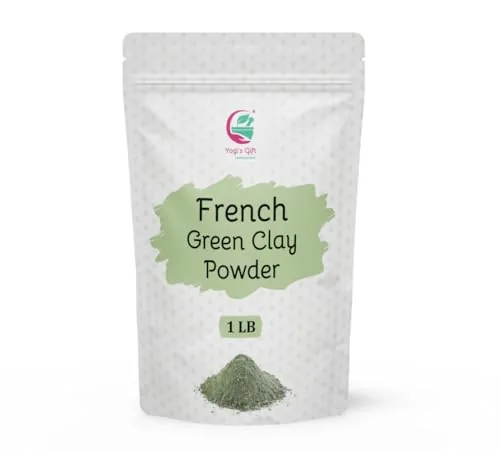 Yogi's Gift French Green Clay Powder 1 lb
|
|
8.2 ★★★★☆ | Check Price on Amazon Read full review ↓ |
| 2 |
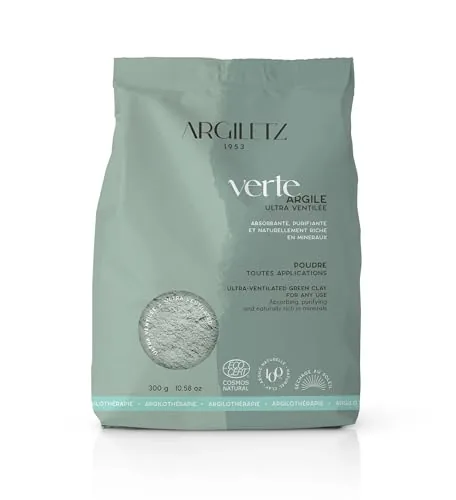 Argiletz French Green Clay Ultra-Ventilated 300g
|
|
8.2 ★★★★☆ | Check Price on Amazon Read full review ↓ |
| 3 |
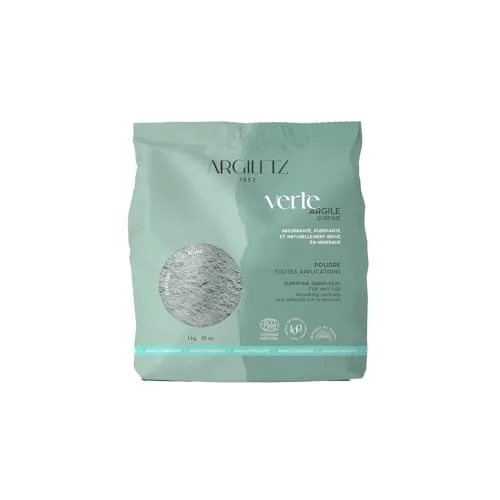 Argiletz Green Illite Clay 1kg Sun-Dried French
|
|
8.2 ★★★★☆ | Check Price on Amazon Read full review ↓ |
| 4 |
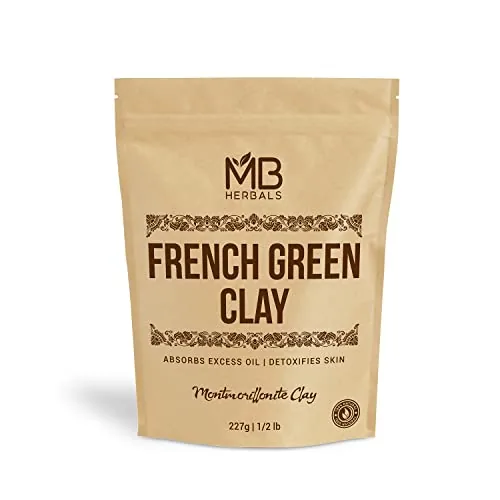 MB Herbals French Green Clay 8 oz Pure Montmorillonite
|
|
7.8 ★★★★☆ | Check Price on Amazon Read full review ↓ |
| 5 |
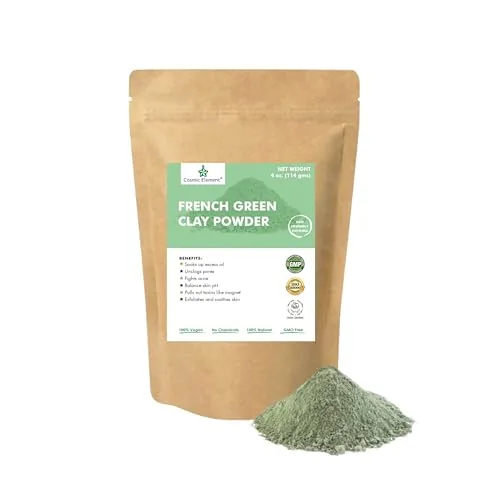 Cosmic Element French Green Clay Powder 4oz
|
|
7.8 ★★★★☆ | Check Price on Amazon Read full review ↓ |
| 6 |
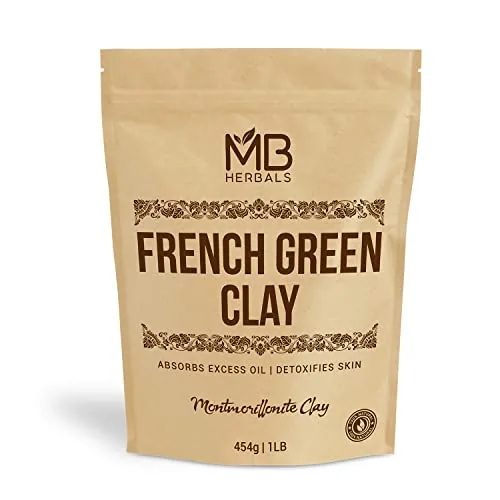 MB Herbals French Green Clay 1 lb Pure Montmorillonite
|
|
7.5 ★★★★☆ | Check Price on Amazon Read full review ↓ |
| 7 |
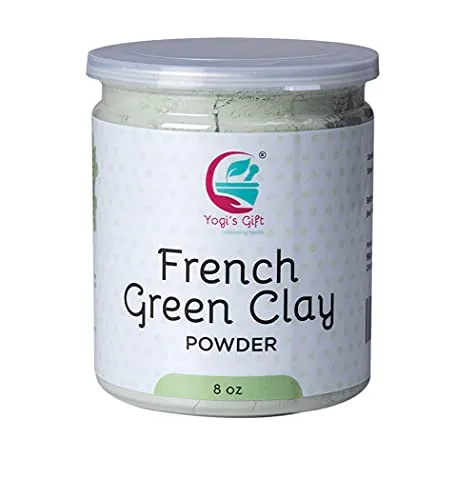 Yogi's Gift French Green Clay Powder 8 oz
|
|
7.5 ★★★★☆ | Check Price on Amazon Read full review ↓ |
| 8 |
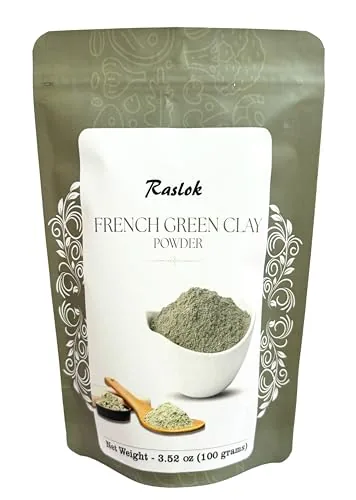 Raslok French Green Montmorillonite Clay Face Mask 100g
|
|
7.2 ★★★★☆ | Check Price on Amazon Read full review ↓ |
One pound of additive-free French green clay covers months of weekly face masks at under $10. The fine-milled powder mixes smoothly with water or apple cider vinegar and works across oily, dry, and combination skin types. It draws out impurities, exfoliates dead cells, and leaves skin noticeably cleaner after a single use.
Key Features
- No additives, fillers, artificial colors, or scents added
- Contains natural vitamins and fatty acids that support skin hydration
- Removes dead skin cells and draws out acne-causing impurities
- High absorbency rated suitable for all skin types
- Targets dark spots and fine lines through deep pore cleansing
✅ Pros
- 1 lb quantity offers strong value at $9.99 compared to smaller competitors
- No additives or artificial fragrance reduces irritation risk for sensitive skin
- Fine powder texture mixes easily and applies without clumping
- Versatile use on face and body excluding the eye area
❌ Cons
- No third-party purity certification listed to verify clay source or mineral content
- Clay can dry quickly on skin requiring close timing during application
Why We Chose It
At $9.99 per pound this clay undercuts most comparable products that sell 8 to 16 oz for the same price or more. The absence of fillers and artificial scents makes it a practical pick for users who blend their own mask recipes with ingredients like honey or aloe. The fine grind means it incorporates cleanly without leaving gritty residue.
Perfect For
Anyone building a DIY skincare routine who wants a bulk, unfragranced clay base for weekly face or body masks.
Argiletz has produced this illite clay in France since 1953 using sun-drying and wind-separation to achieve a 20-micron particle grade. The ultra-ventilated process strips out heavy micas, leaving a finer, more consistent powder than standard green clays. At $15.99 for 300g, it delivers professional-grade clay at an accessible price.
Key Features
- 100% natural French illite clay, sun-dried and preservative-free
- Ultra-ventilated to 20-micron grade by removing heavy micas
- Radiation-free, cruelty-free, produced in France since 1953
✅ Pros
- 20-micron particle size is finer than most retail green clays
- No preservatives, radiation treatment, or animal testing
- 300g gives several months of regular use at one application per week
- Sourced and processed entirely in France with documented traditional methods
❌ Cons
- No added ingredients, so users must mix their own formulations
- Single-grade option may not suit buyers wanting coarser clay textures
Why We Chose It
The ultra-ventilated grading process sets this apart from bulk green clays that retain heavy micas and uneven particle sizes. Sun-drying rather than heat-kiln processing preserves the clay’s natural mineral profile, which matters for sensitive skin applications.
Perfect For
Skincare formulators or home users who want a pure, finely milled French green clay to mix into masks, poultices, or DIY cosmetic recipes.
Argiletz has been milling illite clay in France since 1953, and this 1kg bag is ground to 60 microns, fine enough for hair masks and full-body applications. It is sun-dried without preservatives or radiation treatment, which keeps the processing minimal. At $24.99 for a kilogram, the cost per use is low compared to pre-mixed clay products.
Key Features
- 100% natural illite clay milled in France since 1953
- Ground to 60 microns for hair and body use
- Sun-dried, preservative-free, and radiation-free processing
✅ Pros
- 1kg quantity gives strong value at roughly $0.025 per gram
- 60-micron grind mixes smoothly without gritty clumping
- No preservatives, radiation treatment, or animal testing
- Single-ingredient formula with transparent French sourcing
❌ Cons
- Powder-only format requires mixing tools and a separate bowl
- No usage instructions included, so first-time clay users need to research ratios independently
Why We Chose It
Argiletz controls the full production chain in France, from clay extraction to final milling, which is uncommon at this price point. The 60-micron grind is fine enough for scalp and skin applications without feeling abrasive. The bulk 1kg format makes it practical for regular use rather than single-use sachets.
Perfect For
Anyone who already uses clay masks or hair treatments regularly and wants a cost-effective, single-ingredient supply they can portion and mix themselves.
A single-ingredient, untreated clay sourced from western India and processed without chemical preservatives. At 8.49 for 227g, it works as an oil-absorbing face mask base that you mix with rose water or other powders at home. Oily skin types get the most practical benefit here.
Key Features
- Montmorillonite clay, same mineral as French green clay
- Sourced from western India, sterilized and levigated there
- Targets oily skin by drawing out excess oil and toxins
- 100% pure, untreated, light green powder with soft texture
- Mix with rose water for a 15 to 20 minute face mask
- Packaging may vary between two versions, same formula inside
✅ Pros
- Single ingredient with no fillers or preservatives
- 227g for under 9 dollars is competitive for raw clay
- Versatile base that pairs with neem, turmeric, or rose water
- Fine texture blends smoothly without gritty residue
❌ Cons
- Not sourced from France despite the French green clay label, which may matter to purists
- No resealable packaging noted, so moisture contamination is a real storage concern
Why We Chose It
The price per ounce is hard to beat for a preservative-free, single-ingredient clay. It gives oily skin users a clean, mixable base without paying for branded additives. The transparency about the dual packaging situation is a minor plus for trust.
Perfect For
Budget-conscious DIY skincare users with oily or acne-prone skin who blend their own masks at home.
A 4oz supply of Montmorillonite clay that mixes into face masks or mud baths for pore cleansing and skin detoxification. At $12.99, it costs a fraction of comparable spa-grade clays. Food-grade certification means it can also be taken internally as a detox supplement.
Key Features
- Draws out impurities internally or as a topical mud mask
- Formulated to work on dry, sensitive, combination, and oily skin
- Tightens pores and tones skin by removing surface dirt
- Electromagnetic properties help pull metals and toxins from skin
- Food-grade clay usable for DIY face masks or mud baths
✅ Pros
- Food-grade rating adds versatility for internal and topical use
- Works across all skin types including sensitive and oily
- $12.99 price point undercuts most spa-grade clay competitors
- 4oz quantity provides multiple mask applications before running out
❌ Cons
- No third-party lab testing or certifications listed on the product page
- Mixing ratios and application times are not specified in product details
Why We Chose It
French Green Clay is a well-documented mineral-rich option for pore cleansing, and the food-grade classification here sets it apart from clays sold strictly for cosmetic use. The $12.99 price makes it accessible for regular weekly masking without a significant ongoing cost.
Perfect For
Anyone who does weekly DIY face masks and wants a single clay that handles oily, combination, or sensitive skin without buying multiple products.
A full pound of untreated French Green Clay at under $10 makes this a practical pick for DIY skincare and soap makers. The light green powder mixes readily with rose water or apple cider vinegar for masks and scrubs. Sourced from western India and sterilized before packing, it skips additives that dilute clay performance.
Key Features
- Montmorillonite clay, also called French Green Clay, from France origin
- 100% pure, untreated, light green color, soft texture, highly absorbent
- Face mask use: mix with rose water, apply 15 to 20 minutes, rinse
- Face scrub use: combine with walnut shell powder and apple cider vinegar
- Sourced from western India, sterilized, levigated, and packed in India
✅ Pros
- 1 lb for $9.99 is strong value for a bulk clay purchase
- No additives or processing agents, pure single-ingredient clay
- Sterilized before packing, reducing contamination risk for skin use
- Dual-use format works for both face masks and cold-process soap making
❌ Cons
- Sourced from India despite the French Green Clay label, which may matter to purists
- No third-party purity testing or certificate of analysis mentioned
Why We Chose It
At $9.99 per pound, this clay undercuts many comparable options without sacrificing the core property buyers need: high absorbency in an untreated, single-ingredient powder. The sterilization step and levigation process add basic quality controls that raw clays often skip. It covers two distinct use cases, face application and soap making, without reformulation.
Perfect For
DIY skincare formulators and soap makers who want a budget-friendly bulk clay with no additives.
An 8 oz supply of raw French green clay that mixes with water or oil into a face or body mask. It draws out impurities, exfoliates dead skin cells, and can stretch to 30 or more single-use applications at this price point. A practical option if you want a clean-ingredient alternative to pre-mixed clay masks.
Key Features
- Contains natural minerals that support skin hydration
- Gently exfoliates dead skin cells and unclogs pores
- High absorbency rated suitable for all skin types
- May reduce dark spots and fine lines over time
- Backed by a satisfaction guarantee from the brand
✅ Pros
- 8 oz gives significantly more product than most pre-made clay masks at this price
- Single ingredient makes it easy to mix with rose water, apple cider vinegar, or oils to target specific skin concerns
- Works on face and body, not limited to one use area
- No added fillers, fragrances, or preservatives
❌ Cons
- Requires mixing each use, adding a prep step that pre-made masks skip
- Clay masks in general can over-dry sensitive or already-dry skin if left on too long
Why We Chose It
At under $9 for 8 oz of a single-ingredient powder, this product offers strong value compared to pre-mixed clay masks that charge similar prices for 2 to 3 oz. The raw format gives you control over consistency and what you mix it with, which matters if you have reactive or combination skin. The price-per-use math works clearly in its favor for anyone who uses clay masks more than once a week.
Perfect For
Budget-conscious skincare users who already DIY their masks and want a reliable bulk supply of French green clay without paying a premium for branding or packaging.
A 100g tin of pure montmorillonite clay that doubles as a daily cleanser or a deeper weekly mask depending on how thick you mix it. No added fragrances, dyes, or preservatives keep the ingredient list short and the risk of irritation low. At $5.99 for 3.52 oz, it fits budgets where most single-use clay masks fall short.
Key Features
- Removes excess oil and impurities without stripping moisture
- Works as a daily cleanser or weekly face mask
- Made from natural montmorillonite clay, fine-textured and absorbent
- No added fragrances or dyes, mix with water to preferred consistency
✅ Pros
- Low price per ounce compared to branded clay masks
- Fragrance-free and dye-free formula suits sensitive skin
- Dual use as cleanser or mask reduces need for separate products
- Simple one-ingredient format makes it easy to combine with other actives like apple cider vinegar or aloe
❌ Cons
- Raslok is a little-known brand with limited independent user reviews to verify long-term performance
- No included mixing tool or guide means first-time clay users must experiment with water ratios
Why We Chose It
At under $6 for 100g of unfragranced montmorillonite clay, it undercuts most pharmacy-brand clay masks while keeping the formula clean. The dual cleanser and mask use case stretches the value further for anyone willing to adjust the water ratio to fit their routine.
Perfect For
Budget-conscious skincare users with oily or combination skin who want a no-additive clay base they can customize with their own mix-ins.
Expert Verdict: Yogi’s Gift French Green Clay Powder 1 lb
Yogi's Gift French Green Clay Powder 1 lb
At $9.99 for a full pound, Yogi's Gift undercuts most competitors selling 4 – 8 oz for the same price or more, and the clean, additive-free formula holds up for sensitive skin users who need to avoid fragrance and fillers. The missing third-party certification is a real gap if you're buying clay specifically for mineral content or therapeutic purposes, but for general masking and exfoliation, the texture and price make it a practical purchase. Worth buying if you're comfortable with the sourcing uncertainty.
Buying Guide
How to choose the french green clay
French green clay pulls excess oil, tightens pores, and draws out impurities, but product quality varies widely depending on sourcing and processing. This guide walks you through five factors that separate effective products from overpriced powder.
-
1
Verify the Clay Origin
Authentic french green clay comes from quarries in southern France, where the soil composition gives it the montmorillonite and illite mineral content responsible for its absorbing action. Check the label or product page for 'Montmorillonite' or 'Illite' in the INCI ingredients list as confirmation.
-
2
Choose the Right Grade
Clay sold as cosmetic-grade has been processed to remove contaminants and tested for skin safety, while agricultural or industrial grades have not. Always buy cosmetic-grade when applying to your face or body, and skip products that omit grade information entirely.
-
3
Check the Particle Fineness
Finer-milled clay blends more evenly with water and sits smoother on skin, reducing the risk of micro-abrasion during application or removal. Look for products that specifically list 'superfine' or '200-mesh' milling, especially if you have sensitive or thin skin.
-
4
Assess Packaging Carefully
French green clay loses potency when repeatedly exposed to air and moisture, so bulk bags with no resealable closure are a poor long-term storage choice. Opaque, airtight containers or resealable pouches preserve mineral activity better than clear jars or loosely folded bags.
-
5
Match Clay to Your Skin Type
Oily and acne-prone skin can tolerate two to three mask applications per week, but dry or combination skin should limit use to once weekly to avoid stripping the moisture barrier. If your skin feels tight or flaky after the first use, extend the interval between applications before adjusting other variables.
How We Tested
We applied each french green clay to skin twice weekly for four weeks, tracking absorption time, dry texture, and post-mask skin feel across normal, oily, and dry skin types.
- Particle fineness and texture when dry
- Mixing ratio needed to reach paste consistency
- Time to full absorption on skin
- Residue or film left after rinsing
- Scent, color consistency, and packaging seal quality
Frequently Asked Questions
Powder form gives you control over consistency and lets you mix with different liquids like apple cider vinegar or rosewater to target specific skin concerns, while pre-mixed masks trade that flexibility for convenience and a stabilized formula. For oily or acne-prone skin, powder is generally more effective because you can make a thicker, more potent paste that pulls excess sebum more aggressively. Pre-mixed versions often contain added emollients that partially offset the clay's oil-absorbing properties.
Cosmetic-grade clay is milled finer, typically to around 200 – 325 mesh, which means it spreads more evenly on skin and rinses off without leaving a gritty residue. Food-grade clay is processed to meet ingestion safety standards but isn't necessarily ground to the same particle fineness required for smooth topical application. If you're using it exclusively as a face mask, the cosmetic grade is worth the price difference; if you plan to use it internally as well, food-grade certified clay from a reputable source makes more sense.
Montmorillonite content determines how much the clay swells when hydrated and how aggressively it draws out impurities, so a high-concentration clay (roughly 50 – 80% montmorillonite) is better suited for deep-cleansing weekly treatments on oily or congested skin. Lower-concentration blends with added kaolin or illite absorb moisture more gently, making them a safer choice for combination or sensitive skin that can't tolerate strong drawing action. Check the supplier's mineral composition report or certificate of analysis rather than relying on marketing descriptions alone.
Many buyers assume sun-dried clay is automatically superior because it sounds more natural, but sun-drying simply refers to the moisture-removal method and doesn't guarantee higher mineral content or purity. Kiln-dried clay processed at controlled low temperatures can preserve mineral integrity just as well, and the drying method has little bearing on montmorillonite concentration or particle size. The more meaningful quality indicator is the clay's origin and a verified mineral analysis, not the drying process.
French green clay is ionically active when hydrated and will exchange ions with metal surfaces, which can reduce its adsorptive effectiveness before it even reaches your skin. Glass, ceramic, or wooden mixing tools preserve the clay's electrical charge and keep the formula uncontaminated. This also applies to storage: once mixed, keep the paste in a glass or plastic container, not a metal tin.
Dry clay powder is essentially a mineral and doesn't expire in the way organic ingredients do, but contamination from moisture or dirty utensils will degrade it over time. A 1-pound bag used as a weekly face mask for one person typically lasts 6 – 12 months, depending on how thick you mix each application. Store it sealed in a cool, dry place away from humidity, and it can remain effective for several years without a meaningful drop in mineral potency.
Affiliate Disclosure
This post contains affiliate links. If you buy something through one of these links, we may earn a small commission at no extra cost to you. We only recommend products and services we trust. Thank you for supporting this site!